Guides
Reading newsletter content formats with a sceptical eye
Seventeen newsletter content formats, judged by the production hours, sponsor fit and legal checks each one demands before you commit to a schedule.
What to take away
- A format is a production commitment, not a taste. The audio newsletter that takes four hours a week is a different business from the text digest that takes forty minutes.
- Sponsor fit decides more formats than audience appetite does. A deals edition sells to local retailers; a member-only issue sells to nobody but readers.
- Every format carries a legal check. CAN-SPAM governs the send, FTC review guidance governs the testimonials you publish, and NIST covers the list data you hold.
- Test one format for eight issues before adding a second. Two half-run formats teach you nothing about either.
- Write down the hours, the cost and the kill date before issue one.
This article covers newsletter business mechanics in general, not commercial-email, privacy, advertising or contract advice for your situation. Duties follow the message, the audience, the platform and the payment model. Confirm current law and platform terms with a licensed attorney.
Seventeen formats, sorted by what they cost to produce
The list below groups formats by production load rather than by editorial taste, because load is what breaks an owner-operator first. Hours are illustrative; substitute your own from a timed pilot issue.
| Format | Weekly hours | Sponsor fit | Main risk |
|---|---|---|---|
| Daily briefing | 8 to 12 | High, recurring slot | Burnout by week six |
| Weekly digest | 3 to 5 | High | Becomes a link dump |
| Curated links | 2 to 3 | Medium | No original voice |
| Long-form essay | 4 to 6 | Medium | One writer bottleneck |
| Interview | 3 to 5 | Medium | Guest cancellation |
| Q&A | 2 to 3 | Low | Thin without a strong ask |
| Data visualization | 5 to 8 | High | Chart errors damage trust |
| Case study | 4 to 6 | High | Needs client sign-off |
| Roundup | 2 to 3 | Medium | Stale links |
| Jobs board | 3 to 4 | Very high | Listings dry up in a slow quarter |
| Local guide | 6 to 10 | High | Ages fast, needs annual rebuild |
| Deals edition | 3 to 4 | Very high | Discount fatigue |
| Member-only issue | 4 to 6 | None, reader-funded | Churn at renewal |
| Audio newsletter | 4 to 7 | Medium | Editing time hides in post |
| Video companion | 6 to 10 | High | Equipment and retakes |
| Survey report | 8 to 15 | High | Low response rates |
| Annual review | 10 to 20 once | High | A once-a-year spike |
Two formats on that table deserve a warning. The audio newsletter and the video companion look cheap because the recording is short. The edit is not. Time a single episode end to end before you promise a sponsor a weekly slot.
The member-only issue inverts the usual model. It carries no sponsor, so its revenue is subscription revenue, and its risk is renewal churn rather than advertiser patience. Price it against the hours in the table, not against a competitor's rate.
The checks that apply to every format on the list
The CAN-SPAM compliance guide for business sets the baseline for the send itself: accurate header information, a subject line that matches the content, a physical postal address, a working opt-out, and suppression within the window the statute allows. If a contractor sends on your behalf, the obligation stays with you.
Compliance checks per send
- Accurate header information
- Subject line matches content
- Physical postal address included
- Working opt-out link
- Suppression within statutory window
- Protect subscriber list data
- No cherry-picked or paid reviews
The NIST small business quick-start guides cover the other half, the subscriber list itself. A deals edition that collects addresses at a shop counter holds personal data, and the Cybersecurity Framework 2.0 gives a small operator a plain starting point for protecting it.
Review-driven formats need a third check. The FTC guide on soliciting and paying for online reviews says requests should reach genuine users without cherry-picking the happy ones, and that incentives, relationships or paid placement must not create a misleading picture. A case study format built on hand-picked testimonials sits close to that line.
Choosing between the formats
Match the format to the revenue you actually sell. A jobs board and a deals edition suit a list with local business readers, because both sell to the same advertisers repeatedly. A member-only issue suits a list with a narrow professional audience that will pay directly.
Which format fits your list
Who buys your ads or pays directly?
Local business readers -> jobs board or deals edition
Narrow professional audience -> member-only issue
Match the format to the hours you have, not the hours you hope to have. The daily briefing is the most common failure on this list: it works for four weeks and collapses in week six when the founder takes a Wednesday off.
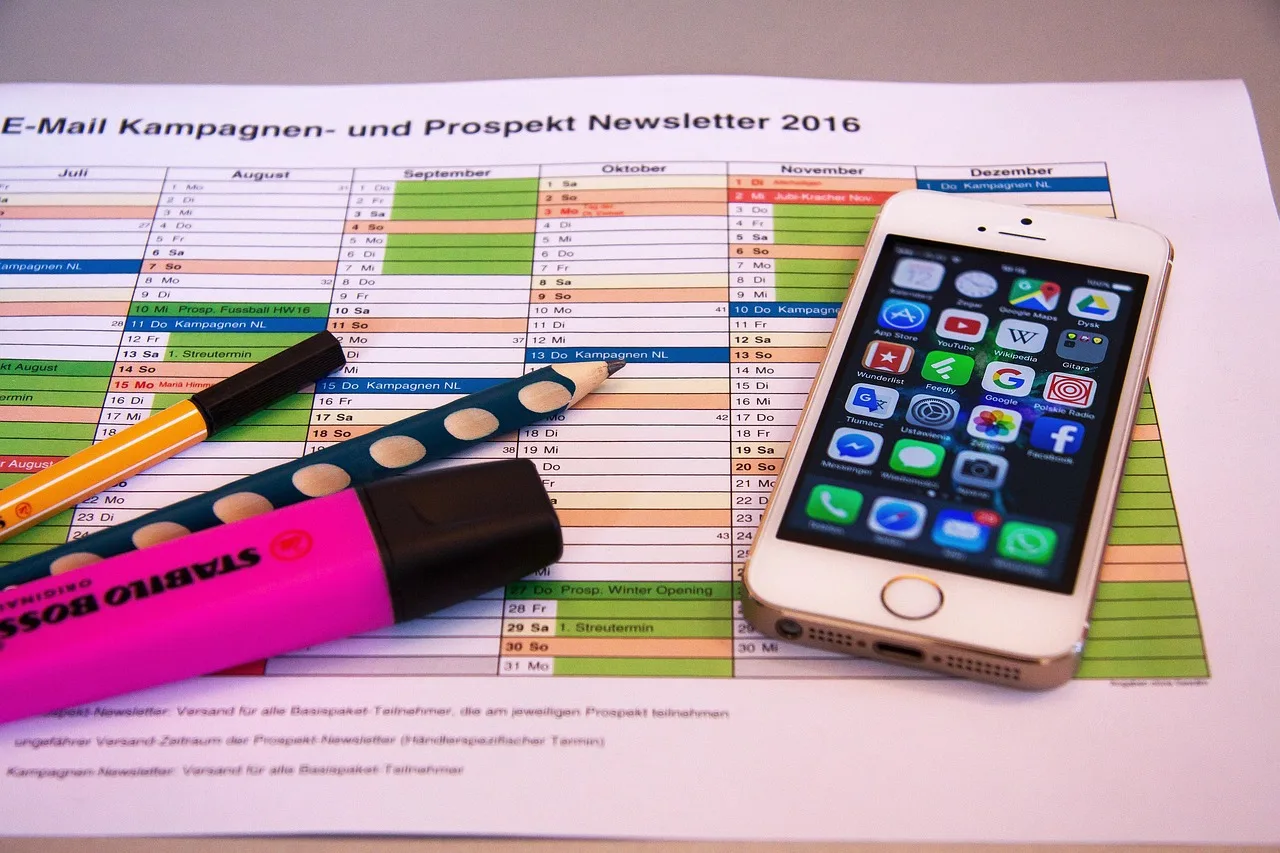
Then write the calendar. The newsletter content calendar is where a format choice becomes a schedule you can keep, and where you find out whether the hours in the table above are real.
Common questions
How many formats should a small list run at once?
One, plus a repeatable second only if the first has run eight consecutive issues without a miss. Two half-run formats give you no reliable read on open rates, sponsor interest or production cost.
Do these formats change what I owe under CAN-SPAM?
No. The statute applies to the commercial message, not the format. An audio newsletter with a sponsor read and a text digest with a banner ad carry the same identification, address and opt-out duties.
Where do the hours in the table come from?
They are illustrative ranges for a one or two person operation, not measured benchmarks. Time your own pilot issue end to end, then replace the range with your figure before you quote a sponsor a rate.